
Home Workplace Revolution
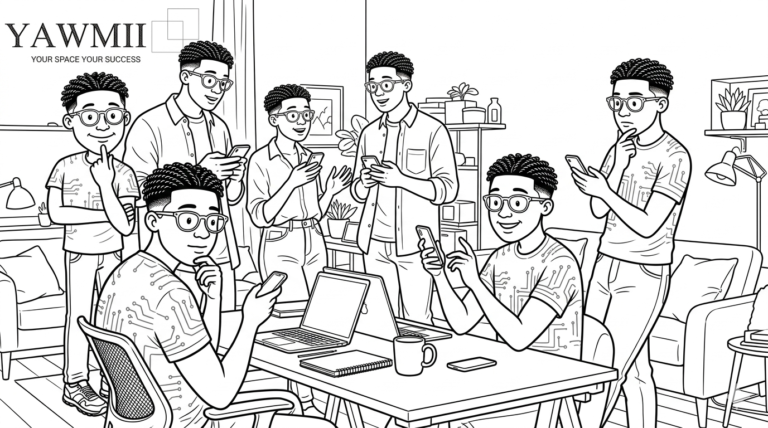
How Remote Work Became the New Normal
Just a few years ago, the idea of working from home was a distant concept for most, often associated with a select few tech roles or niche freelance careers. Today, it’s a global reality, fundamentally reshaping professional lives worldwide. In the last five years, the way we work has undergone a rapid and profound transformation, demonstrating a powerful shift in human adaptability and technological capability.
From Niche Benefit to Global Standard: The Great Acceleration
Before 2020, remote work was a small but growing trend. In the U.S., for instance, only around 4% of all jobs were performed regularly. In many European countries, the percentage was even lower, reflecting a strong cultural preference for in-person collaboration.
Then came the unprecedented challenge of the COVID-19 pandemic. Virtually overnight, companies worldwide were forced to adopt remote operations on a massive scale. This sudden, forced experiment proved that for many industries—from IT and marketing to customer service and education—remote work was not just possible, but could be highly productive. At its peak, nearly 70% of the full-time workforce in some regions was working from home, a staggering leap from pre-pandemic figures. This rapid, global pivot fundamentally altered perceptions and shattered long-held beliefs about workplace efficiency and necessity.
The deluge of data and studies since then has painted a clear picture of this seismic shift and its lasting impact:
- A Eurofound study highlighted that a significant portion of the European workforce continued to work remotely even after initial restrictions were lifted, with many reporting a strong preference for this new flexibility.
- By 2024, data from sources like Gartner revealed that 4 in 10 jobs now allow for some form of remote or hybrid work globally, solidifying this model as a permanent fixture of the modern workplace.
The Rise of the Remote Entrepreneur and the Global Creative
This workplace revolution wasn’t confined to corporate employees. The shift has also profoundly fueled an incredible surge in independent professionals, content creators, and home-based business owners. The barriers to entry for entrepreneurship have been dramatically lowered, as the need for physical office space is no longer a prerequisite for launching and scaling a successful venture.
- The Freelance Boom: The number of freelancers is growing at an astonishing rate globally. In Europe, they represent the fastest-growing segment of the labour market, with over 22 million self-employed individuals. For these professionals, working from home offers the autonomy and flexibility to manage their own projects and clients, often balancing multiple roles and diverse income streams.
- The Creator Economy: The so-called “creator economy” has exploded since 2020. There are now over 207 million people worldwide who are considered professional content creators, turning their passions on platforms like YouTube, TikTok, and Instagram into full-time businesses. These individuals operate almost exclusively from home, requiring sophisticated setups for video production, graphic design, and content management.
- Home-Based Businesses: The remote work trend has fostered an era of low-cost entrepreneurship. Today, 69% of all start-ups are home-based businesses, a statistic that underscores how accessible starting a business has become. This allows small business owners, from e-commerce entrepreneurs to consultants and service providers, to focus on their core passions without the high overhead costs and logistical complexities of a traditional physical office.
The Next 5 Years: A Vision for the Future
The numbers and current trends point to one clear and undeniable conclusion: remote and hybrid work is here to stay, and its influence will only deepen over the next half-decade.
- Continued Growth of Flexible Models: Projections for the next five years suggest that the number of remote and hybrid workers will continue to increase. The World Economic Forum forecasts that by 2030, the number of global digital jobs that can be performed remotely will rise by 25%, reaching an estimated 92 million roles.
- Dominance of Hybrid Work: The hybrid model, which offers the best of both worlds – the flexibility of remote work combined with the collaborative advantages of in-person interaction – is quickly becoming the standard for many companies. A survey by Slack, for instance, found that 72% of workers prefer a hybrid model over being fully remote or fully in the office, highlighting a strong employee desire for flexibility.
- Technological Evolution: The next five years will be defined by an even greater reliance on advanced collaboration software, AI-powered tools for enhanced productivity, and robust cybersecurity measures tailored for distributed teams. Innovations in virtual reality (VR) and augmented reality (AR) could also begin to play a more significant role in creating immersive remote meeting environments.
- Focus on Well-being and Ergonomics: As remote work becomes permanent, the emphasis on employee well-being will intensify. Companies and individuals alike will recognise the long-term health implications of improper home office setups, driving demand for ergonomic furniture, better lighting, and accessories that promote physical and mental health.
- Reshaping Urban Landscapes: Urban areas will continue to experience the ripple effects. We can expect a continued evolution of residential areas as homes are increasingly adapted for dual use (living and working). Co-working spaces will likely thrive as hubs for connection and collaboration, especially for freelancers and remote employees seeking occasional social interaction. There may also be shifts in demand for commercial real estate as businesses re-evaluate their physical footprints.
The future of work is not about where you go, but what you can achieve, and how well-equipped you are to achieve it from anywhere. It is a future defined by a new emphasis on a healthy work-life balance, greater flexibility, and the empowerment of individuals to build their careers and businesses from their own carefully crafted spaces. This revolution is not just about technology; it’s about a fundamental reimagining of productivity, well-being, and professional fulfilment.